







Search Results for: pass-through rate
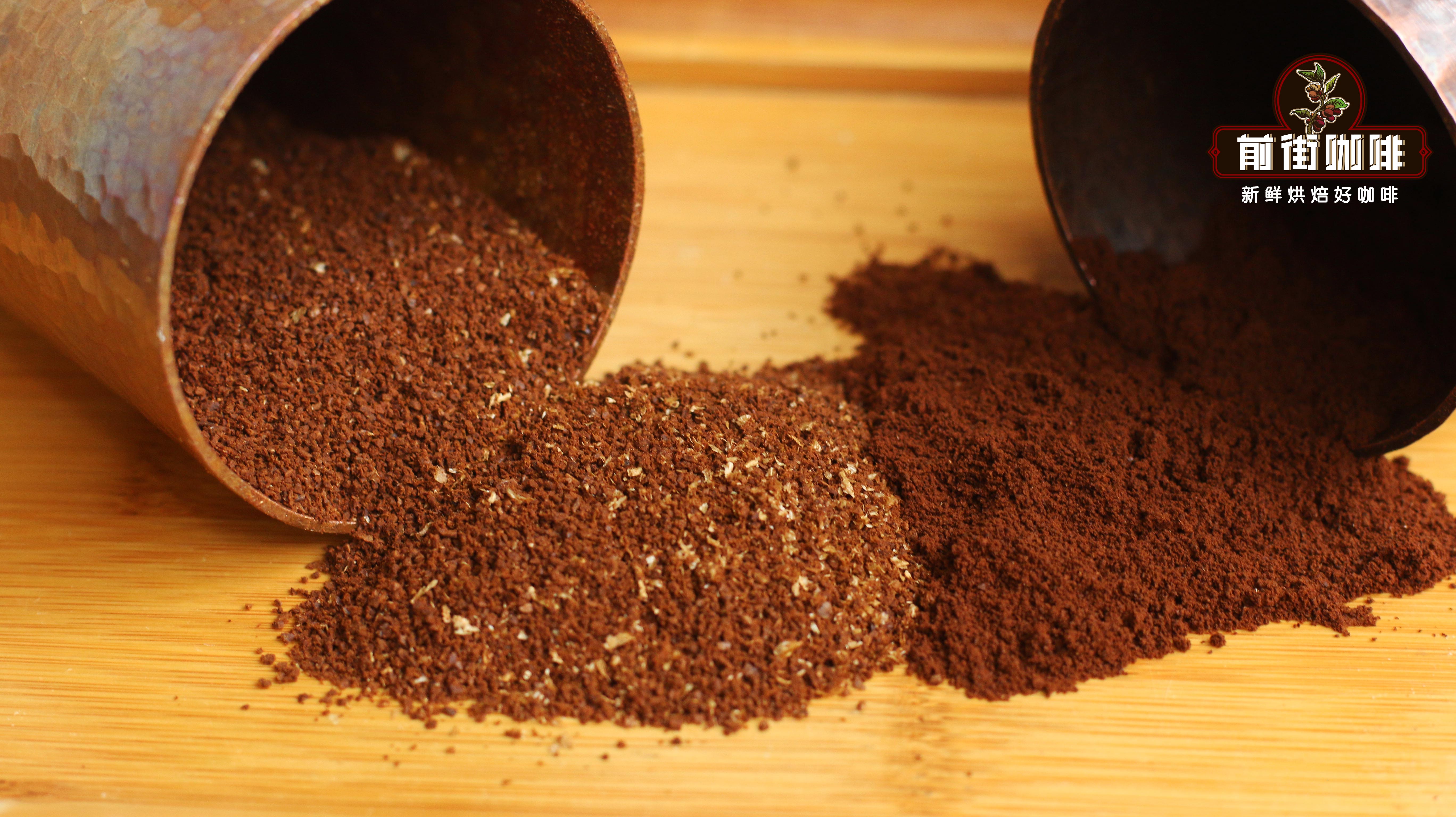
Coffee Grind Size Parameters | Pour-Over, Cold Brew, Ice Drip, Moka Pot – How Fine Should Coffee Grounds Be? A Guide to Using the Common Coffee Grind Size Reference Chart
"Excuse me, what grind size should I use for pour-over coffee?" "Why is the grind at setting 10 on your machine different from setting 10 on mine?" "When you say 'sugar-like,' do you mean caster sugar, granulated sugar, or brown sugar?" ... Are you still struggling to find the right grind size for your coffee brewing device? Front Street has an article to [more…]
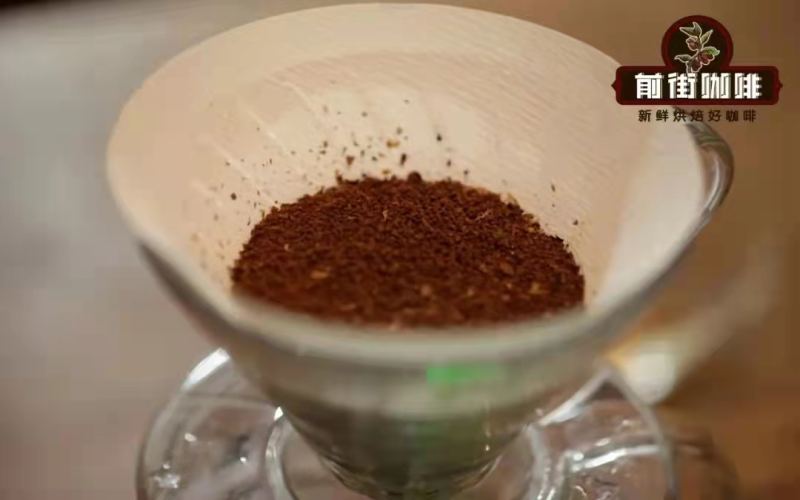
How to determine the grind size (coarseness/fineness) for pour-over coffee beans? How do you adjust the settings on a coffee grinder?
Among the parameters of pour-over coffee, Front Street believes that grind size is the hardest to master. It doesn't have intuitive data like water temperature or coffee-to-water ratio, nor can it be compensated for through practice like technique. As a result, many beginners are stumped by grind size. So Front Street will teach you how to get grind size right. First, I [more…]
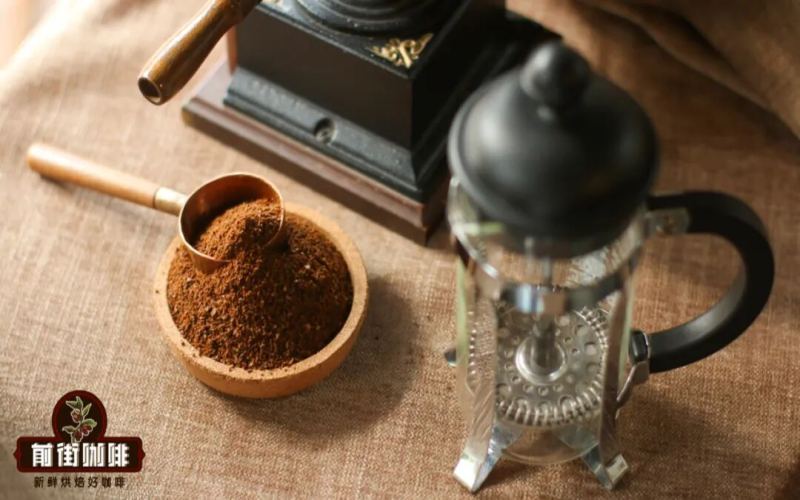
Grind Size | What coffee grind coarseness should be used for pour-over, cold brew, ice drip, moka pot, and espresso? How can coffee beginners judge the correct coffee grind size?
No matter what method we use to make coffee—whether it's pour-over, cold brew, or espresso—we first need to grind the coffee beans into grounds before we begin. The purpose of doing this is to increase the surface area of the coffee that comes into contact with water, speed up the dissolution of flavor compounds, and give the brewed coffee a fuller taste. [more…]
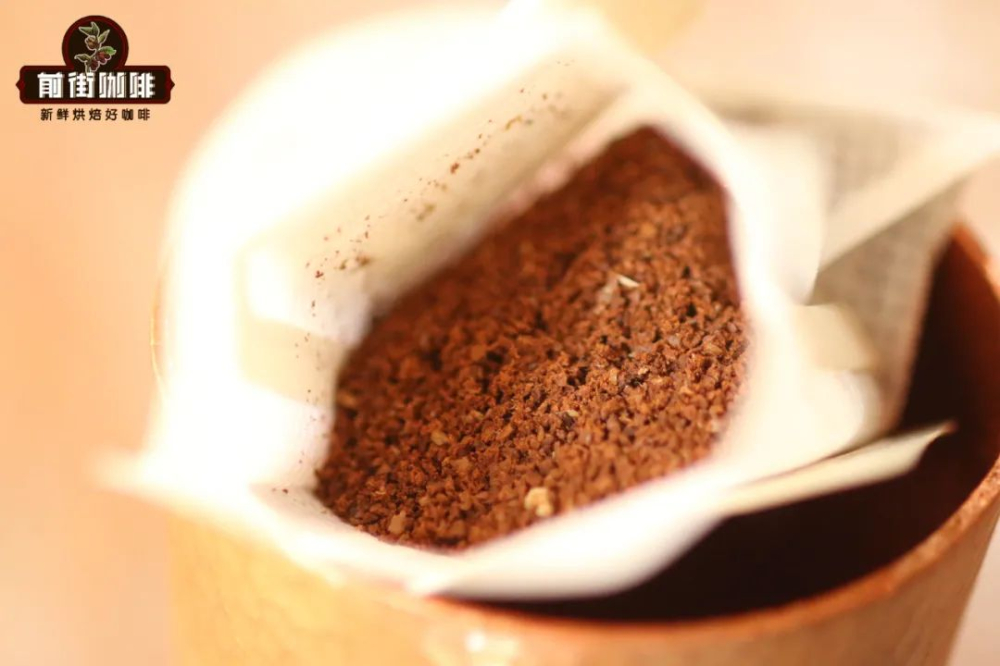
Pour-Over Coffee Grind Standards | How Does Coffee Grind Size Affect the Flavor of Pour-Over Coffee? What Happens When Coffee Is Ground Too Coarse or Too Fine?
The grind size of coffee directly affects the contact area between coffee and water as well as the extraction time, and it will directly impact the taste of the coffee. But at the same time, coffee grind size is also the most headache-inducing thing for many people! In this article, Front Street will discuss how to determine what the grind size should be for different coffee beans. First [more…]

Over-extracted Coffee | Why Does Brewed Coffee Taste Bitter? How Can Coffee Beginners Avoid Over-Extraction When Making Pour-Over Coffee?
Many friends just starting out always face the trouble of over-extraction! So-called "over-extraction" refers to excessive extraction. In a coffee bean, the substances that can be dissolved out by water make up about 30% of the total. Although there is only this much, we cannot dissolve everything out. Because inside, besides [more…]
Coffee Grinder Brand Recommendations | Does a Larger Grind Setting on a Coffee Grinder Mean Finer Powder? Is There a Difference in Grind Size Between Strawberry Candy Geisha Blend and Golden Mandheling Coffee?
Coffee beans need to be freshly ground to fully appreciate their aroma, which shows how important grinding is for coffee beans. When grinding, many people have a misconception—namely, which setting they should choose. Generally, the largest number means a coarser grind, and the smallest number means a finer grind. However, every coffee machine, during assembly, transportation, and [more…]
Pour-Over Single-Origin Coffee Brewing | How Do Coffee Beginners Brew Specialty Coffee Beans? What Are the Steps to Make Pour-Over Black Coffee? What Factors Affect Coffee Flavor?
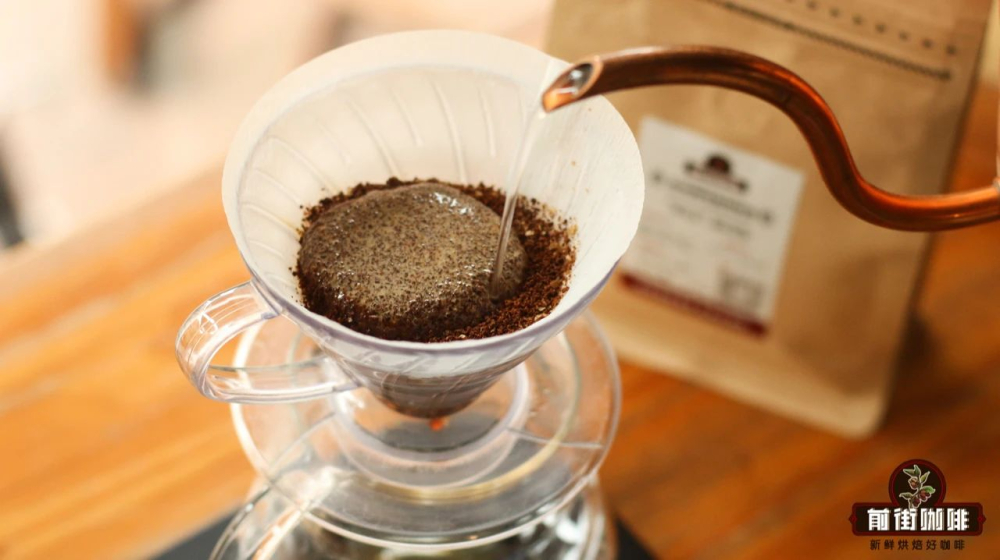
With the rapid development of the specialty coffee market, more and more people are beginning to explore pour-over coffee. Many beginners feel completely lost when it comes to making pour-over coffee—the dazzling array of brewing equipment, coffee brewing techniques, and so on make many people feel it's a hassle. Quite a few friends have also come to Front Street Coffee asking how to get started with pour-over coffee, how to brew [more…]
How to Make Pour-Over Coffee for Two | How Should the Coffee-to-Water Ratio for Pour-Over Coffee Be Allocated? What Coffee Strength Does the SCAA (Specialty Coffee Association of America) Recommend?
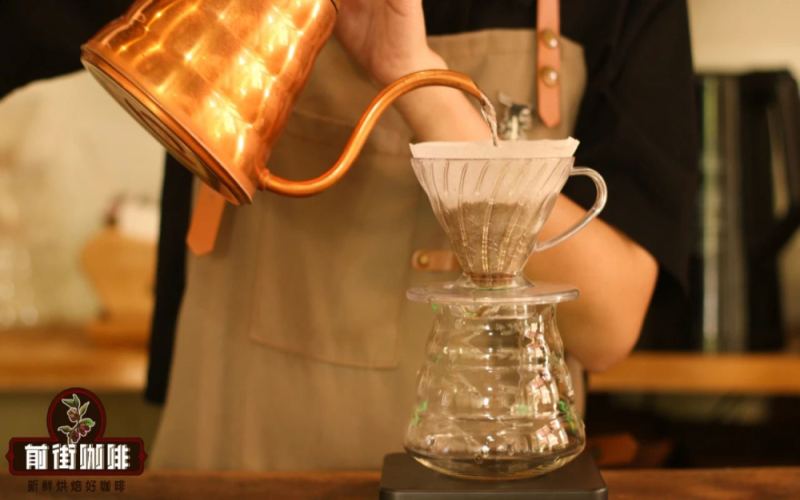
With the development of the specialty coffee market, single-origin coffee is increasingly recognized by the public, so many coffee enthusiasts are teaching themselves how to brew pour-over coffee at home. As a result, coffee-loving friends often ask, when buying coffee beans at Front Street Coffee, how the coffee-to-water ratio for pour-over coffee should be determined. So in this next article, Front Street [more…]

Seven Elements of Hand-Brewed Coffee | Is the correct English for hand-brewed coffee "Hand Drip" or "Pour Over coffee"? What are the brewing methods for hand-brewed coffee?
What is the English for pour-over coffee? If translated literally, it could be rendered as "Hand coffee," but that term is definitely incorrect. Next, expressions like "Hand punch" are also common mistranslations. The correct term should be "Pour over coffee." Now, pour-over [more…]
Origins of Pour-Over Coffee | Where Did the Pour-Over Coffee Dripper Come From? Introduction to the Brewing Method, Technique, and Extraction Ratio of the Ethiopian Sidamo Natural Huakui Pour-Over Coffee
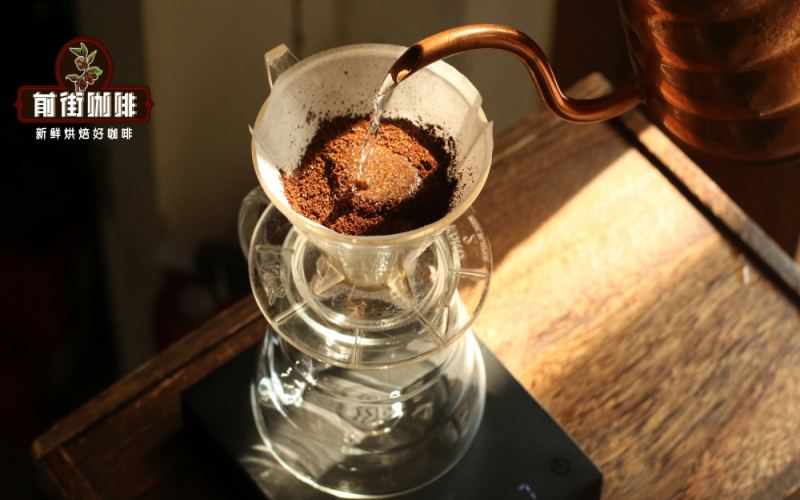
For a long time in the past, people around the world made coffee in a simple and crude way: they ground coffee beans, put them into a pot to boil, and then filtered out the grounds with burlap or a metal strainer before drinking it directly. Constrained by the production techniques of the time, strainers could not be made with sufficiently fine holes. [more…]
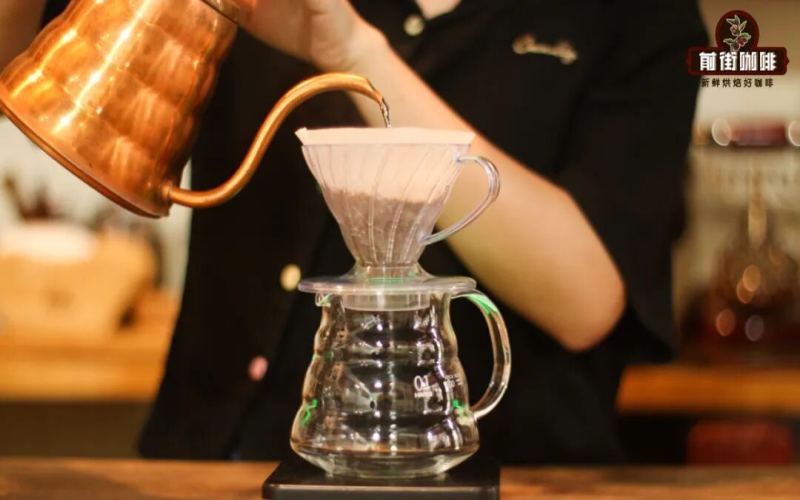
Coffee Flavors | Why Does Pour-Over Coffee Taste Sour? How to Brew Light-Roast Coffee Beans for High Sweetness Without Sourness?
"Acidity" can be said to be the mainstream flavor of coffee today. Since the rise of specialty coffee, coffee roasting has begun to shift from dark to light, and the flavor has transformed from a monotonous bitterness into a colorful spectrum of acidity. This has attracted many friends who couldn't handle the "coffee taste" (bitterness) to start exploring coffee, savoring the floral notes of light-roasted coffee. [more…]
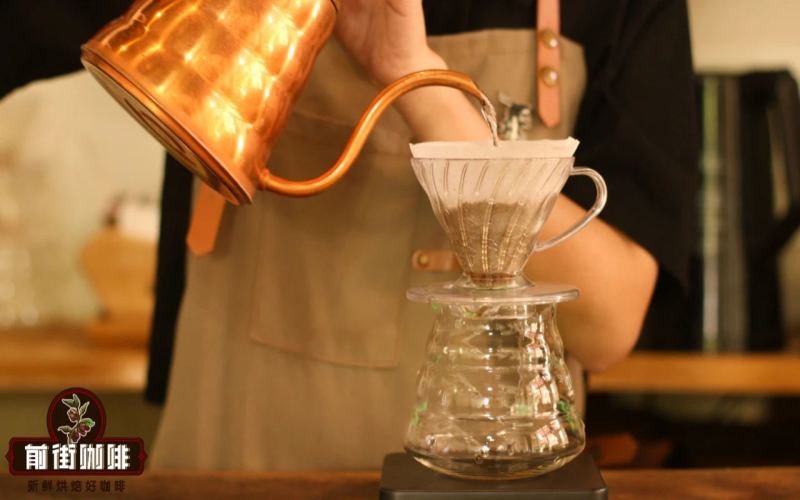
Definition of Pour-Over Coffee | What Coffee Equipment Is Needed to Make Pour-Over Coffee? How Does the Coffee-to-Water Ratio Differ Between Pour-Over Coffee and Iced Pour-Over Coffee?
What is "pour-over coffee"? Coffee beans undergo a series of chemical reactions during high-temperature roasting, generating various aromatic compounds. When we brew coffee, we use water and equipment to release these aromatic components. Pour-over coffee involves first grinding the coffee beans into powder, then pouring hot water to contact the coffee bed, "dissolving" the substances in the coffee. [more…]
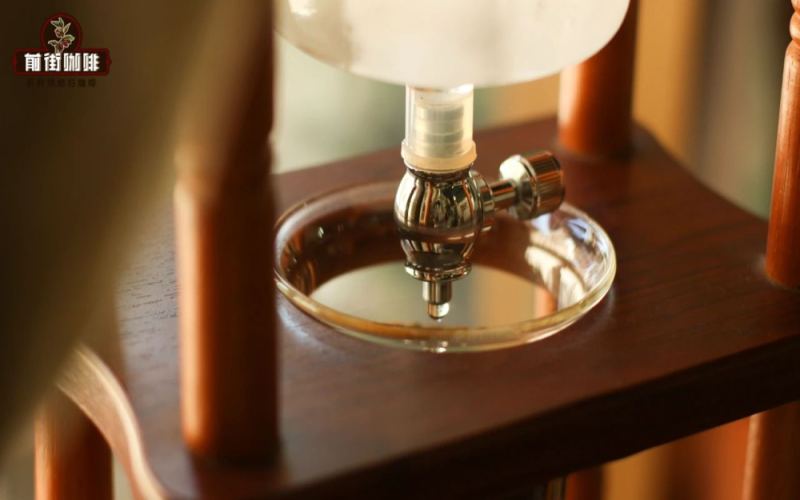
The Correct Way to Drink Cold Brew Coffee | Which Single-Origin Coffee Beans Are Suitable for Making Cold Brew Black Coffee? How Do the Flavors of Ice-Water Extraction and Hot-Water Extraction Differ?
Before we knew it, September has arrived again. I believe friends in the southern region are still battling it out every day alongside the enthusiastic Mr. Sun—the weather is still quite hot. For coffee lovers, the refreshing drink that immediately comes to mind is none other than iced coffee. Arriving at Front Street Coffee (FrontStreet Coffee), as soon as you walk in, [more…]
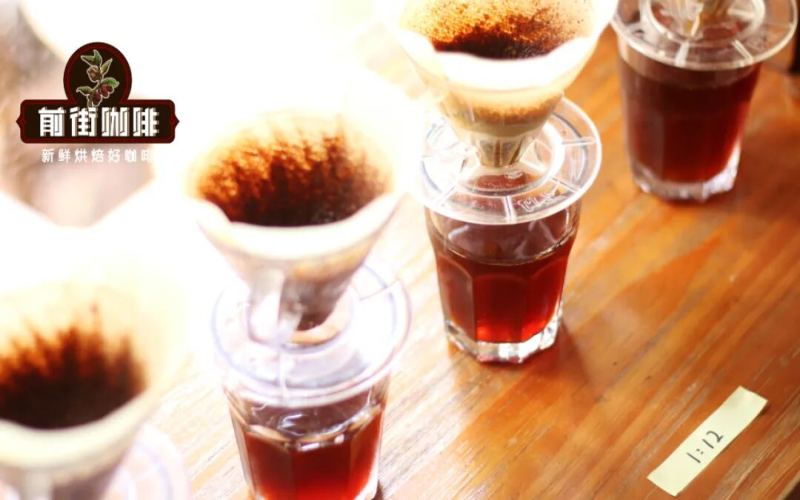
Cold Brew Coffee Ratios | How Does Cold Brew Made with Different Coffee-to-Water Ratios Taste Different? What Coffee-to-Water Ratio Is Suitable for Making Cold Brew Coffee?
Cold brew coffee essentially refers to the fact that under low-temperature conditions, small-molecule substances tending toward aroma and acidity are more easily released into cold water, so the coffee tastes light and is mostly characterized by a sweet-and-sour profile. In addition, since it is not limited by equipment or location, cold brew can be said to be a coffee that people can easily access—at home, as long as you have raw [more…]
Coffee Grounds Coarseness Reference | Pour-Over Coffee Grind Size 1 to 10: Which Is the Finest? How to Adjust Coffee Bean Grind Parameters for Espresso and Moka Pot
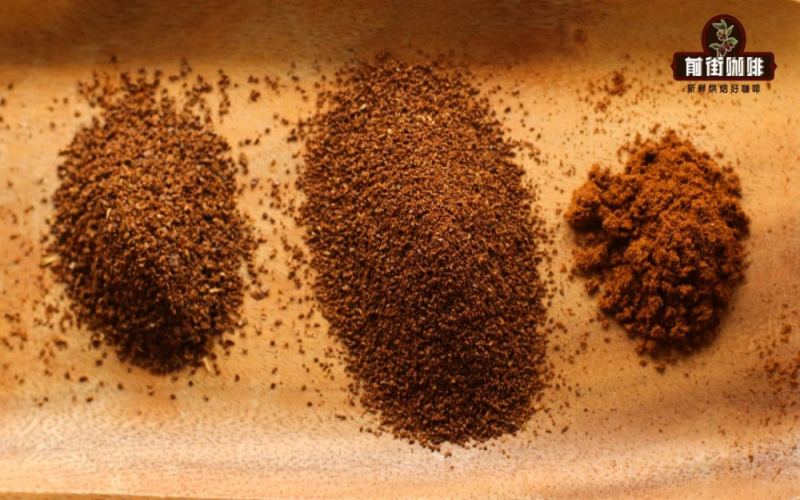
A delicious cup of coffee is hard-won, because from seed to cup is a very long wait. Even at the final step of extraction, you must ensure that the coffee you use meets brewing standards, because extraction is easy—but have you ever thought about it? Coffee grounds are what extract the flavor compounds, [more…]
Sidamo Natural Diamond Coffee Beans | What Are the Cultivation Characteristics of Ethiopian Coffee Regions? How Do You Brew Sidamo Guji Hambela Diamond to Bring Out Its Fruity Flavors?
The flavor of Front Street Ethiopian coffee beans is world-renowned for its elegant floral notes, citrus, lemon, and tropical fruit aromas, along with a fruity tea-like mouthfeel. It is often the region of choice for specialty coffee fans, especially Yirgacheffe and Sidama. So in this article, Front Street will introduce you to a famous Ethiopian coffee region—Sidama. [more…]
The Origin Story of Indonesian Coffee | What Is the Sumatra Mandheling Coffee Bean Variety Grading System? An Introduction to the Flavor, Taste Characteristics, and Price of Indonesia's PWN Pwani Golden Mandheling Coffee
Mandheling coffee is a single-origin coffee commonly found in specialty coffee shops. It is said that before Blue Mountain coffee was discovered, Mandheling was once regarded as the finest of coffees and swept the world for a time. Mandheling coffee is considered the most full-bodied coffee in the world; when tasting Mandheling, you can distinctly feel the tongue [more…]
Ethiopian Kafa Forest Coffee Beans | Is the coffee produced in Kafa Forest the original Geisha coffee beans? What are the flavor and mouthfeel characteristics of Kafa Forest pour-over coffee?
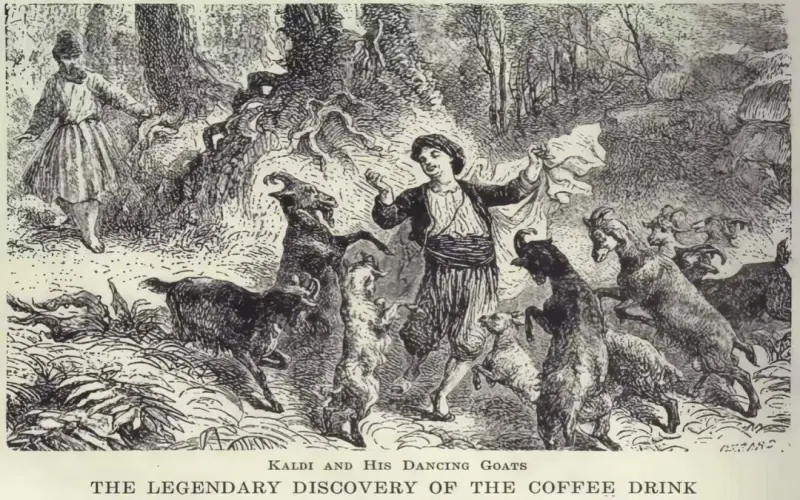
"In the sixth to eighth centuries AD, Kaldi, a young Ethiopian goatherd, was tending his goats in a forested mountain area. Then one day, he noticed that his flock had suddenly become inexplicably excited, jumping and frolicking about. Even an old sick goat regained its vigor and was soon running briskly. After careful observation, he finally discovered that these 'symptoms' appeared after the flock ate from the forest [more…]

Hacienda La Esmeralda Geisha Coffee Bean Grades | What is the difference between Panama La Esmeralda Geisha Red Label and Green Label? Why is Esmeralda Geisha coffee so expensive?
If Geisha is likened to a thousand-mile horse, then Hacienda La Esmeralda is undoubtedly the Bo Le who recognized its worth. It was Hacienda La Esmeralda that discovered Geisha's potential and introduced its exquisite flavor to the world at the 2004 BOP, which is why Geisha has become the top variety in today's specialty coffee scene. It can be said that without [more…]
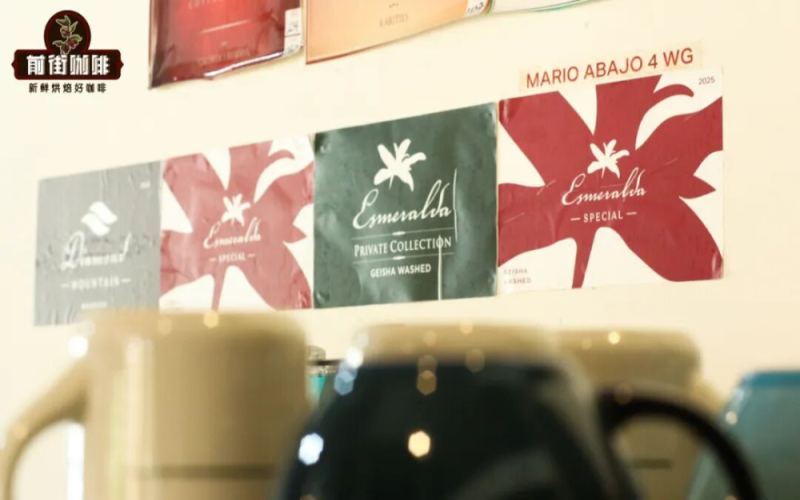
Panama Hacienda La Esmeralda Geisha Coffee Beans | What's the Difference Between Red Label Geisha and Green Label Geisha (Geisha) Coffee Beans? How Did Hacienda La Esmeralda Come to Grade Geisha Coffee?
If Geisha is compared to a legendary steed, then Hacienda La Esmeralda is undoubtedly the judge who recognized its worth. It was Hacienda La Esmeralda that discovered Geisha's potential and introduced its delicious flavor to the world at the 2004 BOP, which is why Geisha has become the top variety in today's specialty coffee scene. It can be said that without [more…]